camping, exploring and hiking. It was the worst of summers for the planet, the environment and wildlife.
How can that be, Jeffie?
Well, I’ll tell ya.
typical summer in the southwest mountains of Colorado calls for cold rain mixed with occasional sunshine. There’s been summers where the only sounds I’ve heard was the “squish, squish, squish” of my shoes slapping mud.
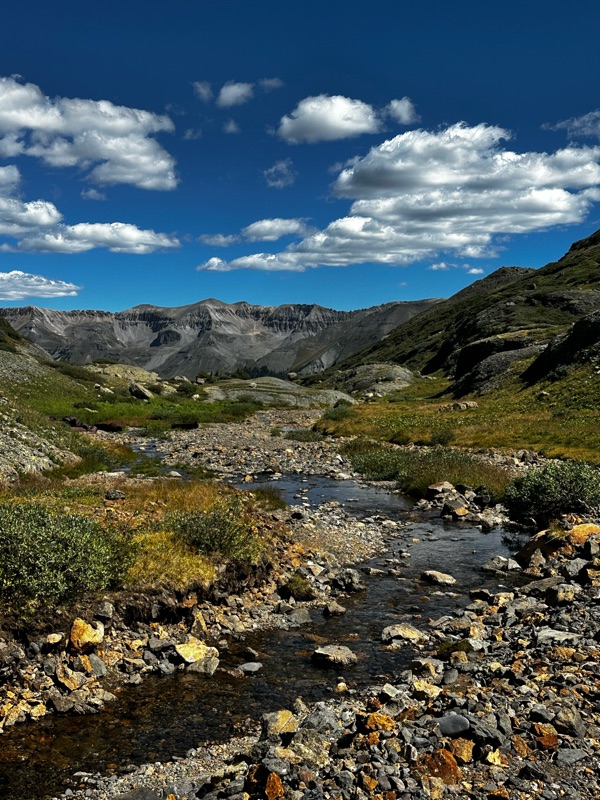
In one particularly monsoon-ageddon season, late August creek crossings were reminiscent of spring runoff torrents. Upper thigh deep water levels threatened to flush me to the Gulf of Mexico (not the Gulf of Merica) or to Lake Powell. (Where the ominous notion of “Dead Pool” is now bandied about.)
In those times, rain gear was like a second skin to me. I remember one incident, where I arrived at a trailhead wearing a poncho, damp shoes (since they never dried out) and a sour deposition. I glanced up at sullen gray skies, felt a clammy breeze and saw an immediate creek immersion. On the other side was ooze. It was then, I shook my head and thought. “Not today.” I retreated lower to a warmer and somewhat drier campsite where I spent the day reading.
All the above was the antithesis of the Southwest and the world’s summer of 2026. It was HOT! HOT! HOT! and desert dry.
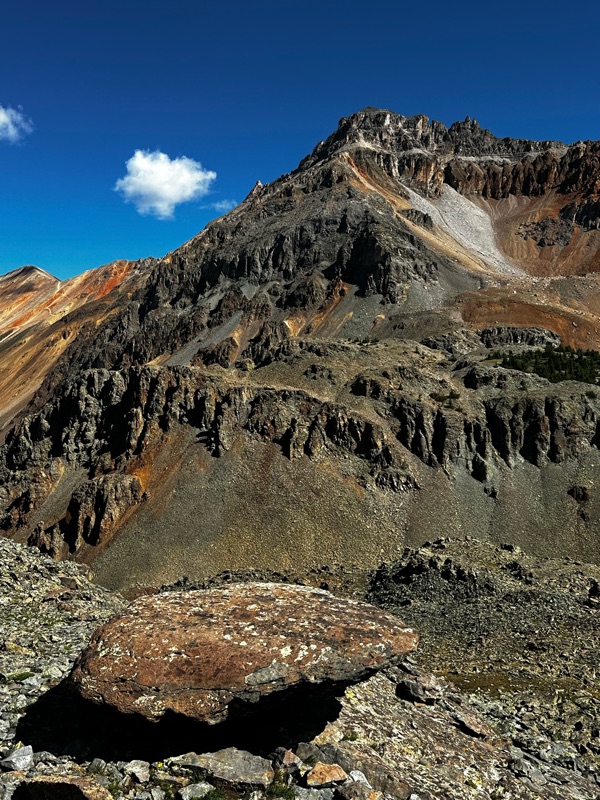
In Durango temperatures hovered at humanity’s average of 98.7 degrees for weeks on end. (According to Extreme Weather Watch there were 51 days of above 90 degrees temperatures). Some days were distinctly feverish. I escaped often and slept way above two miles high. BUT even at that elevation, it was sultry. One morning I woke to a balmy 49 degrees. That’s NUTS!
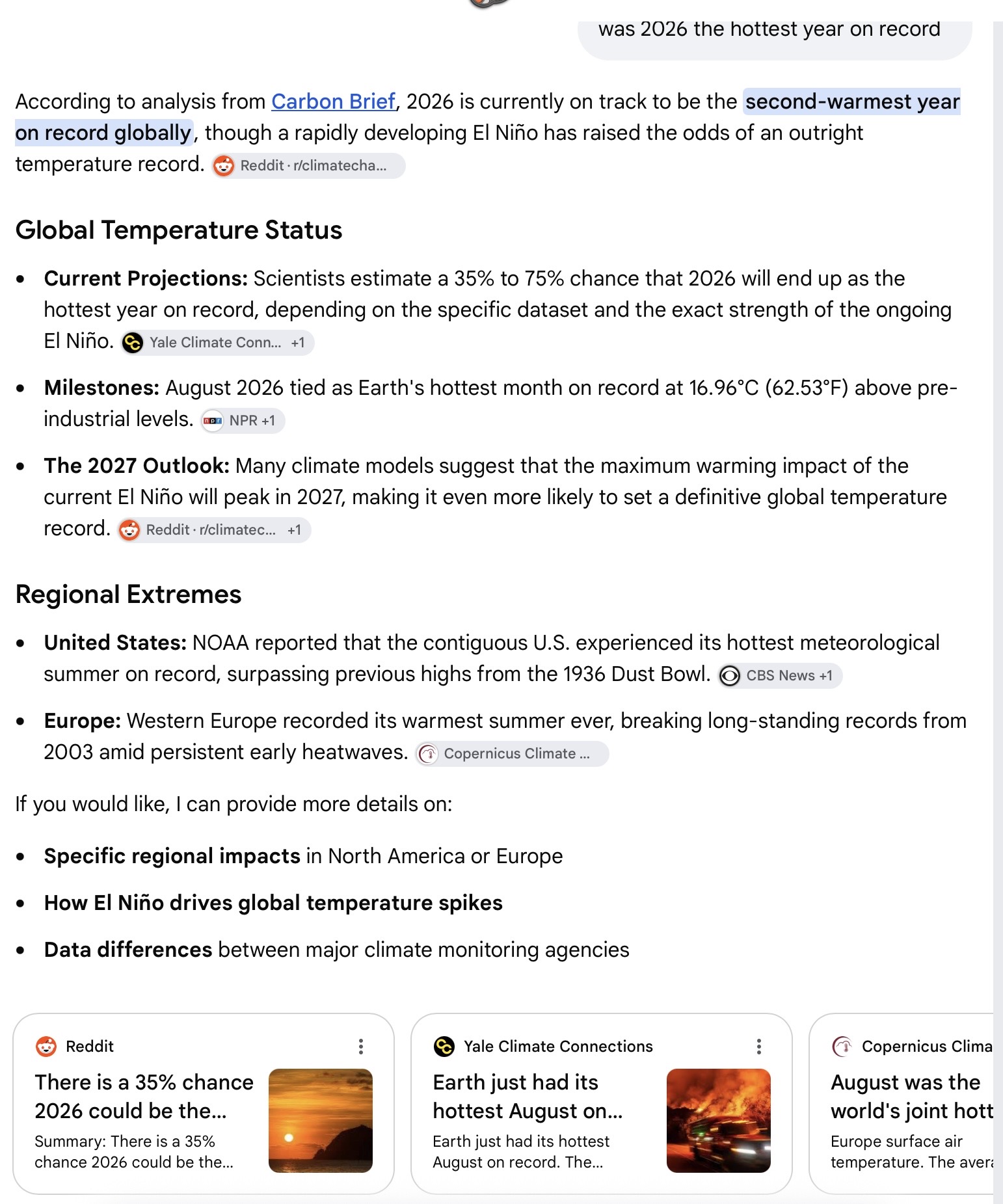
Before the heat waves, there were ticks. Winter decided to go Snowbird in 2026. No white stuff and warmer temperatures meant less mortality to those blood sucking curs (No, I’m not talking about Trumpers) but the tiny crabby looking thingies. I discovered four in total. Two embedded in me and two hitchhiking in Sanctuary One. All were dispatched promptly. Many people noticed the infestation. The ticks made Colorado news with their abundance.
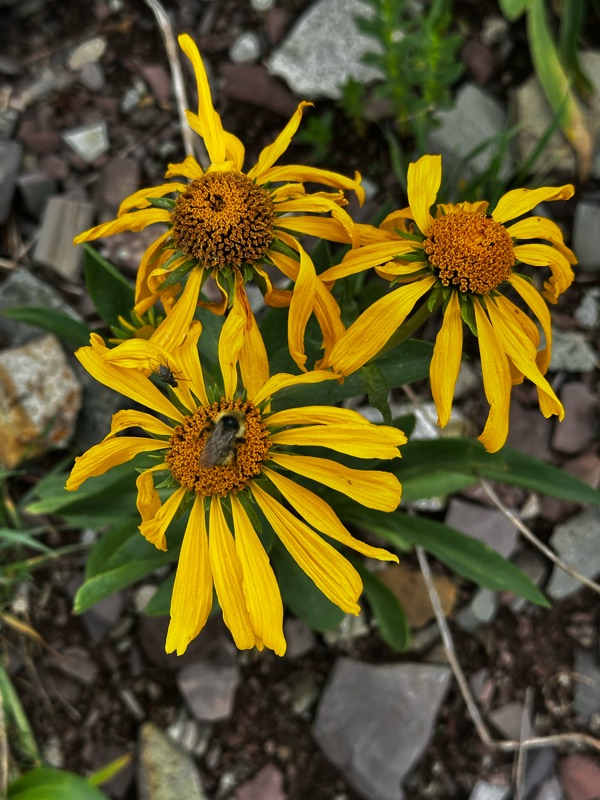
Of course there were consequences to this phenomenon. Hungry bears migrated to towns for this simple reason. Thats where the food was. Bear/human encounters flourished all throughout the state. A few of my neighbors had action packed videos of bears moseying through our townhome complex. Even I got into the act. I cleaned up the remains of a junk food dinner after a bruin got into our supposedly bear-proof garbage containers.
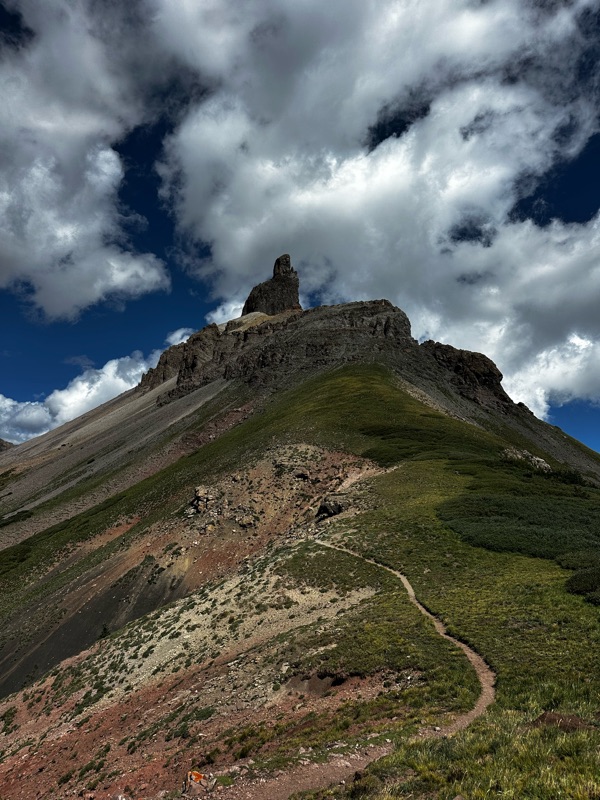
In Durango, hummingbirds seemed to become dependent upon our feeders. The little pinheads were flocking to the sugary, syrupy cocktails we generosity provided. Which made sense since wildflowers and the nectar was in short supply. Now I’m no hummingbird expert, but I know these tiny speed freaks can’t miss a few meals. They weigh somewhere between a penny and a nickel. You’ll never find a hummingbird on Ozempic. So being a Jewish Mother in a man’s body, I fed them.
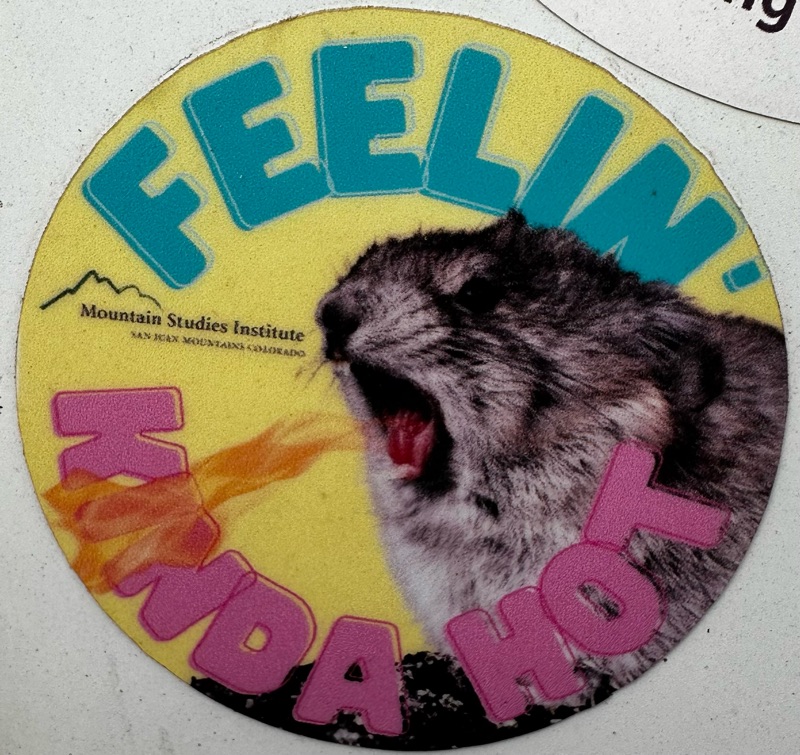
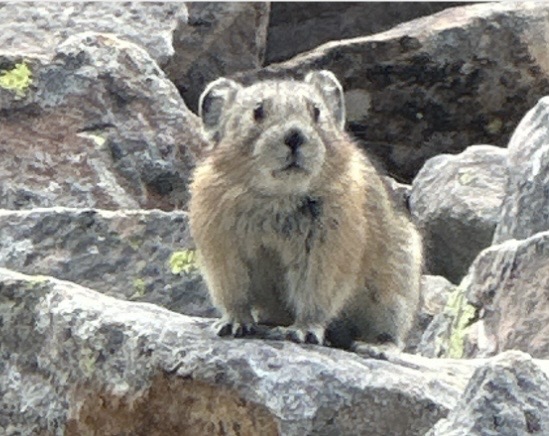
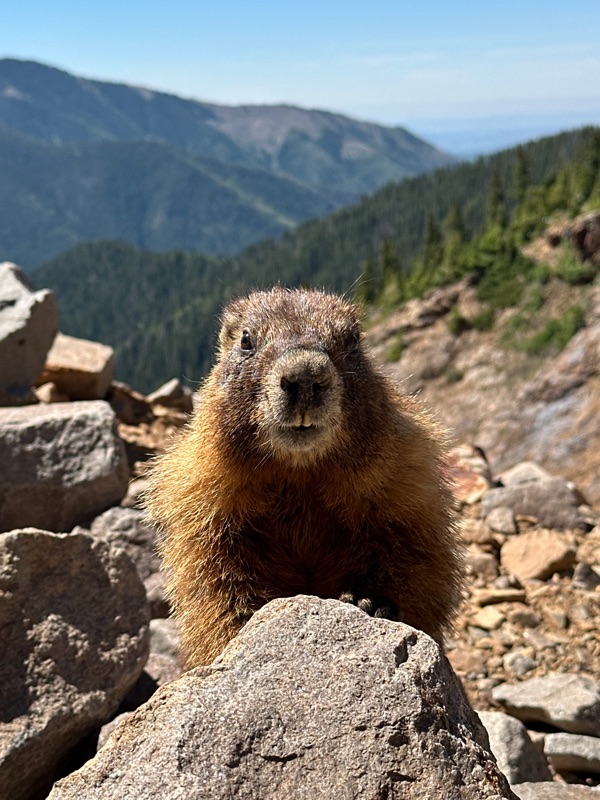
Lastly, no Jeffie post about wildlife concerns would be complete without a mention of my fur baby buddies. Pikas. In 2025, I discovered a new colony off a popular hiking trail. As usual, I observed from my perch on a soft rock adjacent to the talus slope. There were heaps of pikas scurrying around at 12,000 feet. It appeared to be a solid and stable colony. I left happy and pika satiated.

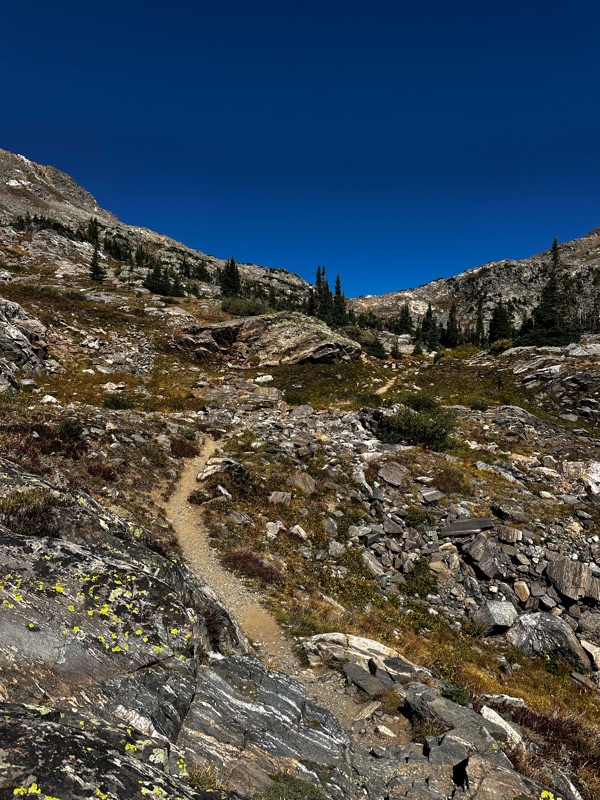
This past summer I returned on a total blue sky 78 degree day. At 12,000 feet that temperature feels like below below-a-magnifying-glass HOT. I assumed my position on the same perch and wilted in the heat. After a while, I saw…one. He/she wasn’t a fine looking specimen. Honestly, it was scraggly looking. Since I’m a certified Pika Whisperer, we made eye contact. The pika released a sound I can only describe as a moan. It was a heart wrenching cry for help.
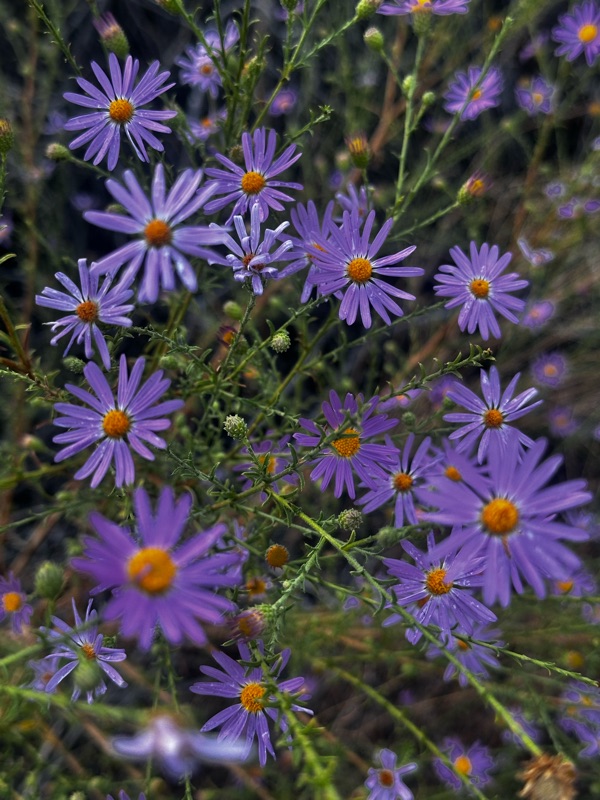
Now, I moan the passing of another summer, which means one less one for me to savor in the fourth quarter of my life.
“Scientists have discovered a species in California named the fire amoeba. This organism can reproduce at 145°F and can continue moving up to 147°F, setting a record for complex organisms.”
Here’s my Great Replacement Theory: After humanity and the other living things we share space with are gone, they’ll be the above “fire amoeba” organism to start the process of evolution all over again. Maybe in the very distant future the Critical Race will place the Planet’s priorities over profits, power, warmongering and greed.